

-

- Home
- Firm Overview
- Attorney Profile
- Practice Areas
- Criminal Law
- Federal Criminal Law
- Alien Smuggling
- DWI / DUI
- Boating While Intoxicated
- Expunctions
- Felonies
- White Collar Crimes
- Homicide
- Human Smuggling
- Internet Crimes
- Sex Offenses
- Motions to Revoke Probation
- Traffic Violations
- Weapons Charges
- Asset Forfeiture
- Federal Drug Charges
- State Drug Charges
- Testimonials
- Blog
- Contact Us
Schedule Your Consultation
210-226-0965
When Does a Gun Charge Become a Federal Case in Texas?
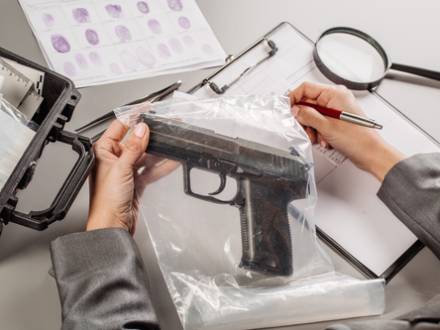 A gun charge becomes a federal case when it involves a federal law, a federal agency, or circumstances that trigger federal jurisdiction. That can happen even when the incident looks like an ordinary state-level arrest on the surface. In Texas, most gun charges are handled by state courts, but certain factors push a case into the federal system, where the rules, the penalties, and the stakes are all significantly higher.
If you or someone you know is facing this situation or a state gun charge in 2026, a San Antonio gun crimes defense lawyer can help you understand exactly what you are up against.
What Makes a Gun Charge Federal Instead of State?
The difference between federal and state weapons charges comes down to which laws were allegedly broken and how the investigation began. Texas has its own firearms laws, but the federal government has the authority to prosecute when specific federal statutes are involved. The most common triggers include:
-
Possession of a firearm by a convicted felon under 18 U.S.C. § 922(g)
-
Using or carrying a firearm during a drug trafficking crime or violent crime under 18 U.S.C. § 924(c)
-
Trafficking firearms across state lines
-
Possessing an unregistered machine gun or an illegal firearm modification under the National Firearms Act
-
Straw purchasing, meaning buying a gun on behalf of someone who cannot legally own one
-
Making false statements on a federal firearms form
If federal agents such as the ATF or FBI were involved in the investigation, there is a strong chance the case will be prosecuted federally rather than in a Texas state court.
How Are Federal Gun Charges Different From State Charges?
Federal cases are prosecuted by the U.S. Attorney's Office, not the local district attorney. They are heard in federal district court, and in San Antonio, that means the Western District of Texas. Federal prosecutors tend to have more resources, more investigative support, and higher conviction rates than state prosecutors.
Federal sentencing is also structured differently. Judges follow the United States Sentencing Guidelines, which calculate a recommended sentence based on the offense and the defendant's criminal history. Departures from those guidelines are possible but not guaranteed. Sentences in federal gun cases are often mandatory minimums, meaning the judge has limited ability to go below a certain threshold, no matter the circumstances.
What Is the 924(c) Charge and Why Does It Matter?
A charge under 18 U.S.C. § 924(c) is one of the most serious outcomes in a federal gun case. It applies when a firearm is used or carried in connection with a drug trafficking crime or a crime of violence. A first conviction carries a mandatory five-year sentence that must run consecutively, meaning on top of any other sentence imposed. A second conviction carries a 25-year mandatory minimum. These sentences cannot be served at the same time as each other or as the underlying charge.
Does a Prior Felony Always Lead to Federal Prosecution in a Gun Crime Case?
A prior felony conviction is one of the most common reasons a gun case goes federal. Under 18 U.S.C. § 922(g), it is illegal for anyone convicted of a crime punishable by more than one year in prison to possess a firearm or ammunition. This applies even if the prior conviction was years ago, even if it was in another state, and even if the person's civil rights were partially restored. Prosecutors in the Western District of Texas have actively pursued these cases, particularly in situations where a firearm was found during an arrest for another offense.
Can a Gun Crime Case Start as a Texas Charge and Become Federal?
A person may be arrested by local police in San Antonio and initially charged under Texas law. If federal investigators become interested in the case, whether because of the defendant's background, the type of weapon involved, or a connection to another federal investigation, the U.S. Attorney's Office can pick up the case and file federal charges. This is sometimes called a federal adoption or a joint investigation. The state charges may be dropped or run alongside the federal case.
What Should You Do if You Are Being Investigated for a Federal Gun Crime?
Do not wait for a formal indictment before getting legal help. Federal investigations often begin long before charges are filed, and anything you say during that period can be used against you. Hiring an attorney early gives you someone who can communicate with investigators on your behalf, advise you on what not to do, and begin building a defense before the government's case hardens.
Contact Our San Antonio, TX Federal Gun Crimes Defense Attorney
Federal gun charges require a defense built on a detailed understanding of how the federal system works. Attorney Lock began his career in civil litigation and has spent over 20 years developing the legal knowledge and courtroom experience that federal cases demand. When you call Law Offices of Sam H. Lock, a real person will answer, 24 hours a day, seven days a week. Call 210-226-0965 as soon as possible to schedule a consultation with our San Antonio federal gun crimes defense lawyer.
From Our Blog
Can a Texas DWI Be Reduced to a Lesser Charge?
Posted on Oct 07, 2026
How Does a Gun Affect an Assault Charge in Texas?
Posted on Sep 30, 2026
What Traffic Violations Can Lead to Criminal Charges in Texas?
Posted on Sep 08, 2026


