

-

- Home
- Firm Overview
- Attorney Profile
- Practice Areas
- Criminal Law
- Federal Criminal Law
- Alien Smuggling
- DWI / DUI
- Boating While Intoxicated
- Expunctions
- Felonies
- White Collar Crimes
- Homicide
- Human Smuggling
- Internet Crimes
- Sex Offenses
- Motions to Revoke Probation
- Traffic Violations
- Weapons Charges
- Asset Forfeiture
- Federal Drug Charges
- State Drug Charges
- Testimonials
- Blog
- Contact Us
Schedule Your Consultation
210-226-0965
Understanding Intoxication Manslaughter in San Antonio, Texas
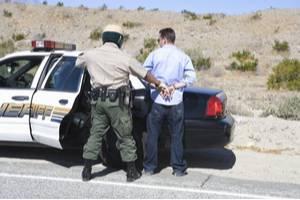 Intoxication manslaughter is one of the most serious charges under Texas law. It often follows a sudden and tragic accident, leaving people searching for clarity about what happened and what comes next.
In San Antonio, fatal crash cases receive close attention. In 2025, local reporting on the City of San Antonio’s Vision Zero efforts highlighted the city’s continued focus on reducing traffic deaths and severe injuries.
As of 2026, Texas courts continue to closely examine intoxication manslaughter cases, and early decisions often shape how the case moves forward. If you are under investigation or have been charged, speaking with a San Antonio criminal defense lawyer early can help you understand the process and protect your rights.
What Is Intoxication Manslaughter in Texas?
Intoxication manslaughter is defined under Texas Penal Code § 49.08. A person may be charged if prosecutors believe they operated a motor vehicle, boat, aircraft, or similar vehicle while intoxicated and, by accident or mistake, caused another person’s death.
This charge does not require proof that someone intended to hurt anyone. The focus is on intoxication and whether it played a role in causing the fatal incident.
How Does Texas Law Define Intoxication?
Texas law defines intoxication in two main ways. One is having a blood alcohol concentration of 0.08 or higher. The other is losing normal mental or physical abilities because of alcohol, drugs, or a combination of substances.
Because of this second definition, intoxication manslaughter cases may involve prescription medications, illegal drugs, or mixed substances, not just alcohol.
What Must Prosecutors Prove in a Texas Intoxication Manslaughter Case?
To obtain a conviction, prosecutors must meet a very high burden of proof. They must show beyond a reasonable doubt that every required part of the charge has been proven, which is the strictest standard in criminal law.
In most intoxication manslaughter cases, the state must show that:
-
A death occurred.
-
The person was operating a vehicle.
-
The person was intoxicated at the time.
-
The intoxication caused the death.
Causation is often one of the most contested issues. Your defense may examine whether other factors contributed to the crash, such as road conditions, mechanical problems, weather, or another driver’s actions.
Is Intoxication Manslaughter a Felony in Texas?
Intoxication manslaughter is generally charged as a second-degree felony. A conviction can carry significant prison time, fines, and long-term consequences that affect employment, housing, and family life.
Because the penalties are severe, these cases require careful review of the evidence and the investigation.
What Evidence Is Commonly Used in Intoxication Manslaughter Cases?
These cases often involve many forms of evidence gathered from the scene and afterward.
Common examples include:
-
Blood or breath test results
-
Police reports and officer observations
-
Field sobriety testing notes
-
Crash reconstruction analysis
-
Witness statements
-
Video footage from body cameras or nearby cameras
Each piece of evidence must be examined closely, including how it was collected and documented.
Can Blood or Breath Test Results Be Challenged in an Intoxication Manslaughter Case?
Chemical test results are often challenged in intoxication manslaughter cases. Issues may involve the timing of the test, equipment accuracy, lab procedures, or how samples were stored.
A defense may also review whether a warrant was required and whether proper legal steps were followed before testing.
Do Statements to Police After a Crash Affect an Intoxication Manslaughter Charge?
Statements made after a serious accident are often given under stress or confusion. Injuries, shock, or exhaustion can affect what someone says or remembers.
Texas Code of Criminal Procedure Article 38.22 sets rules for how certain statements may be used in court. A lawyer may review whether statements were taken properly and whether they should be limited or challenged.
When Should You Speak With a San Antonio Criminal Defense Lawyer?
Once you realize you may be under investigation or facing charges, getting legal guidance right away is important. Having support early can help you understand the process and avoid missteps while emotions and pressure are high.
An attorney can walk you through what comes next, evaluate the evidence as it develops, and help you make careful, informed choices as the case moves forward.
Contact Our San Antonio, TX Criminal Defense Attorney
If you are facing an intoxication manslaughter investigation or charge, experienced legal guidance matters. At Law Offices of Sam H. Lock, we approach these cases with care, preparation, and attention to detail. Attorney Lock began his career in civil litigation, which supports a thorough approach to reviewing records, timelines, and complex evidence.
Call 210-226-0965 to speak with a San Antonio criminal defense lawyer today.
From Our Blog
What Traffic Violations Can Lead to Criminal Charges in Texas?
Posted on Sep 08, 2026
Fighting a Boating While Intoxicated Charge in Texas
Posted on Aug 30, 2026
When Is Entrapment a Defense in a Texas Drug Charge?
Posted on Aug 16, 2026


